
The van has gone. Boxes are stacked against every wall, the light switches are in the wrong places, and somewhere in all of this is the kettle. You sit down on the one chair you can reach, and the new place is very, very quiet.
If that's where you are, or soon will be, this guide is a gentle, week-by-week plan for your first thirty days, so that a smaller home starts to feel like yours. It begins before moving day, with one box.
The player loads from YouTube (privacy-enhanced mode) only when you press play. Watch it on YouTube.
Before moving day: the first-night box
The first thirty days begin before you move, so that the first night isn't a hunt for the kettle. Many people call it the first-night box, or the open-first box. It holds everything you'll need for the first evening, night and morning.
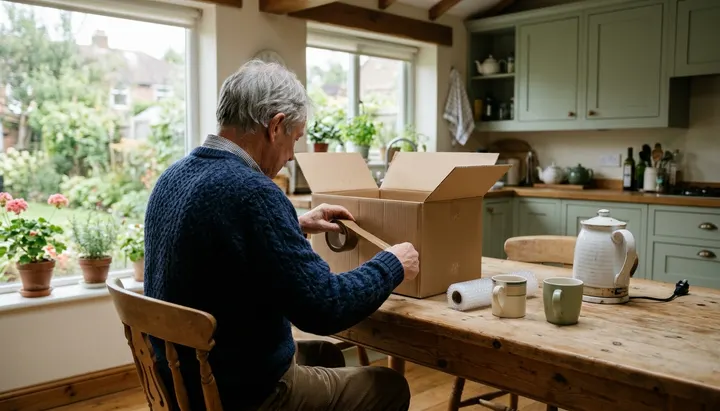
Two rules for this box. Label it on every side, so it can't end up hidden face-down. And don't let it go in the van. Take it with you, in the car or in your own hands, together with your folder of important papers.
Days one to three: bed, bathroom, kettle, light
For the first three days, forget about making the place look nice. Your only job is to make it work. Focus on four things: the bed, the bathroom, the kettle and the light.
Make up the bed first, before anything else, ideally while you still have help in the house. At the end of a long, emotional day, a made bed is the kindest thing waiting for you.
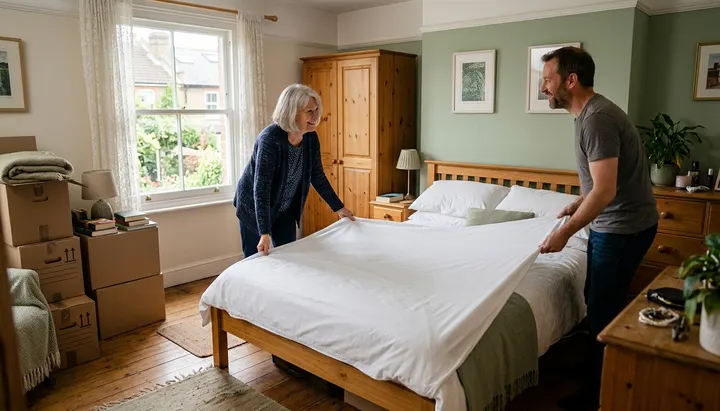
Then set up the bathroom: towels, soap, toilet paper, toothbrush. Then the kettle, a few cups and something simple to eat. Once you can sleep, wash and make a hot drink, you can cope with almost anything else.
Light matters more than people expect. A new home is unfamiliar in the dark. Plug in a lamp in each room you'll use, and think about a small night light along the way from the bedroom to the bathroom, so you're not feeling for switches in a strange place.
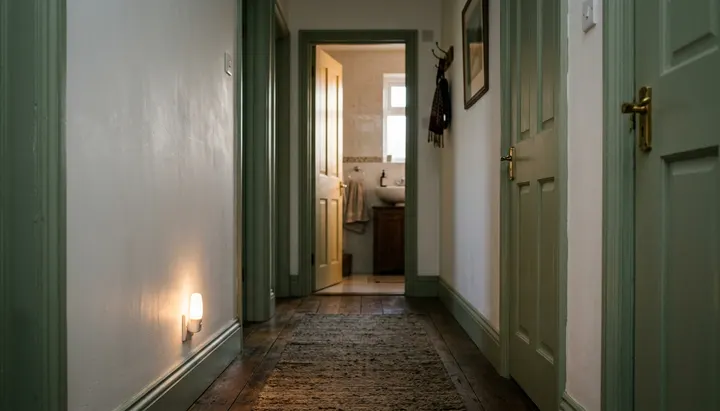
Keep the walkways clear, too. In the first few days, boxes tend to pile up in hallways and next to the bed. Push them against the walls, so that every route you'll walk at night is open.
If you're not sure how something works, ask the building manager, the previous owner or a neighbour. It's a perfectly normal question.
Days four to seven: one finished room
By day four, you'll want some progress you can see. So choose one room, the one where you'll spend most of your waking hours, and finish it completely. For most people that's the living room, or a kitchen with a table. One finished room changes how the whole place feels: you have one calm space to rest in while the rest of the home is still a work in progress.
This is also the time to bring out a few cherished things. Not everything: just three or four objects that mean the most to you. Put them where you'll see them first thing in the morning and last thing at night.
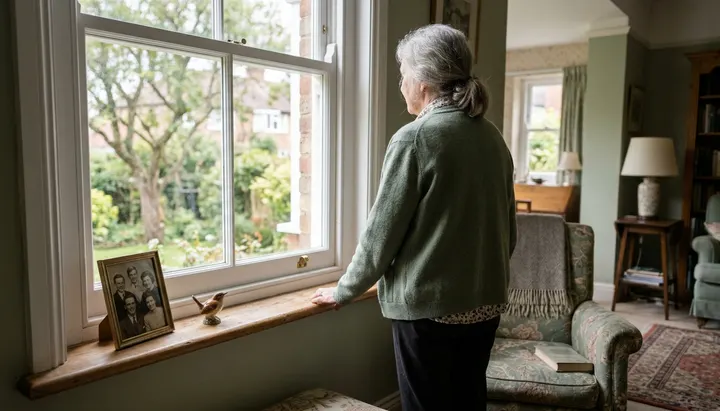
There's some research behind this. In a study published in 1990, researchers asked a hundred older people living in care homes about their cherished possessions and about how they had adapted. Those who had cherished possessions with them tended to settle in better than those who didn't, and the possessions often gave them a sense of continuity with their earlier life.1
That was a care-home setting and a small questionnaire study, so it shows a link rather than proof, and it isn't the whole picture. But it fits what many people find: familiar things give a new place a sense of continuity, a thread running from your old life into your new one.
One more thing for week one: don't buy new furniture yet. It's tempting to fill the gaps straight away. But you don't yet know how you'll use the space, where the light falls, or what you'll actually miss. Give it a few weeks.
Week two: learn the neighbourhood
In week two, turn your attention outside. A home isn't only four walls. It's also the walk to the shop, the bench you like, and the faces you start to recognise.

Walk if you can, and take the same route a few times. Repetition is what turns a strange street into a familiar one. By the end of the week, you'll be noticing the same dog, the same postman, the same person who waters their front garden at nine.
Then build one or two small routines around those places: a morning walk, or coffee at the same café on a Thursday. Routines anchor the week, and they give you a reason to get out of the door on the days you'd rather not.
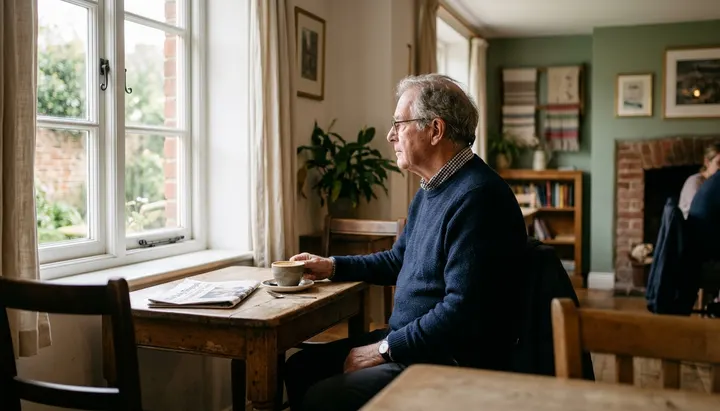
Week two is also a good time for the practical side of a new address. Make a list of everyone who needs to know you've moved, and work through a few each day. Who needs telling differs from country to country, and a local advice service can help.
Meeting the neighbours
Meeting the neighbours can feel awkward, especially in a building where people keep to themselves. But a short, friendly introduction early on is far easier than one six months later.
Asking a small question is a lovely way in. People like being helpful, it gives them an easy, low-pressure way to talk to you, and next time you meet, you have something to follow up on.
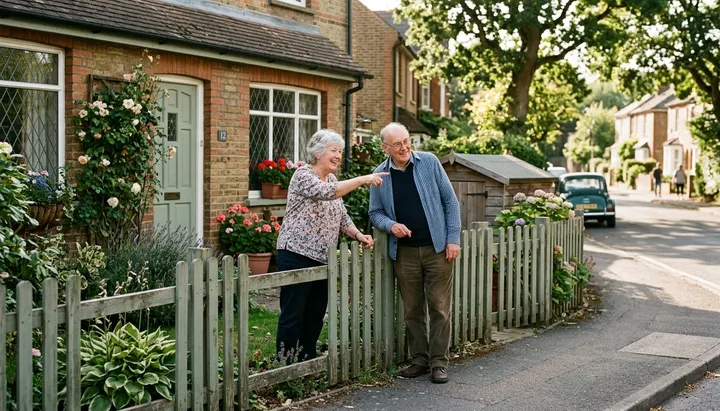
If your building or street has a noticeboard, a residents' group or a community event, go once. You don't have to join anything. Just go once, and see how it feels.
Week three: the boxes that are left
By week three, most of the everyday things will be in place. What's left are the boxes you've been quietly avoiding, and the things that don't seem to fit anywhere.
Try one box a day. Open it, and give everything inside a place, or a decision, before the day is out. Five boxes, five days. That's steady, and it doesn't take over your life.
Some things simply won't fit. The sideboard is too long for the wall; there are more books than shelves. That can feel like a small loss all over again, and that's normal. Before you give up on something, try it in two or three different places: old furniture can look completely different in a new room. But if it really doesn't fit, it's better to find it a good home now than to live around it for years.
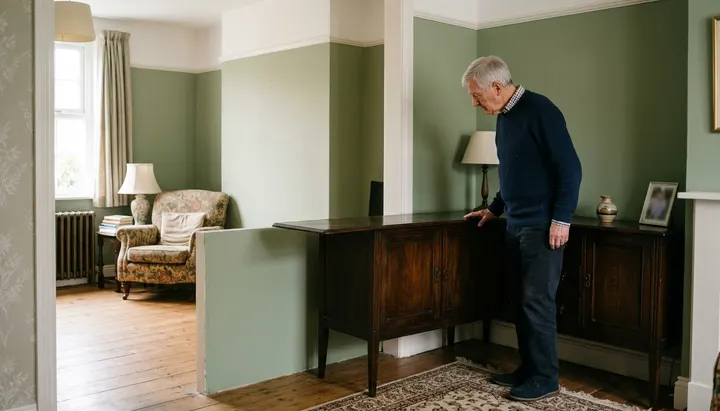
A helpful rule for a smaller home: one in, one out. When something new comes in, something similar goes out. One new jumper, one old jumper to the charity shop. It keeps the space you've worked so hard to create.
This is also a good week to look again at where things live. In a smaller home, every cupboard counts.
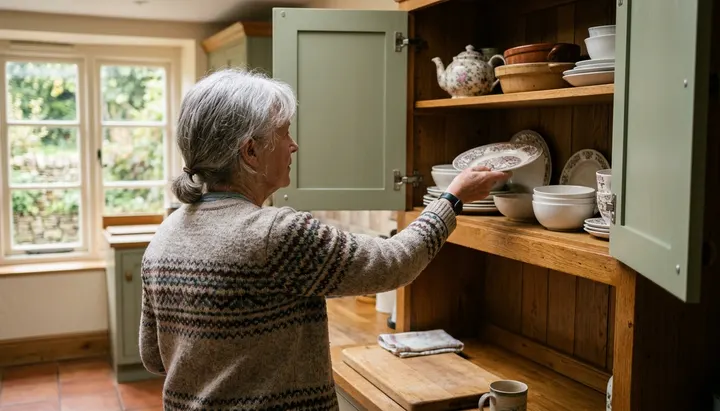
And remember that your first arrangement doesn't have to be your last. Live with it for a week, then move whatever annoys you.
Week four: make it yours
If the place still doesn't feel like yours, week four is for changing that. By now you'll know where the morning sun falls, where you like to sit, and which walls you look at most.
So now hang the pictures. Start with the walls you see most often: opposite your chair, beside the bed, by the front door. Many people find that a home starts to feel like theirs on the day the pictures go up.
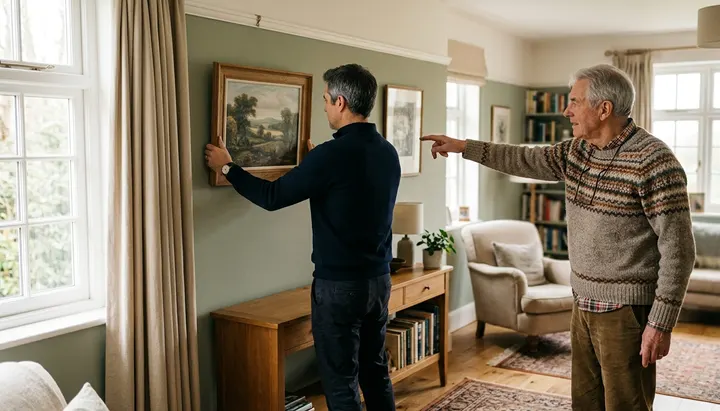
Think about the other senses, too. A plant on the windowsill. The blanket from your old sofa. Your usual soap in the bathroom. Familiar smells and textures can make a new place feel like home faster than anything you can see.
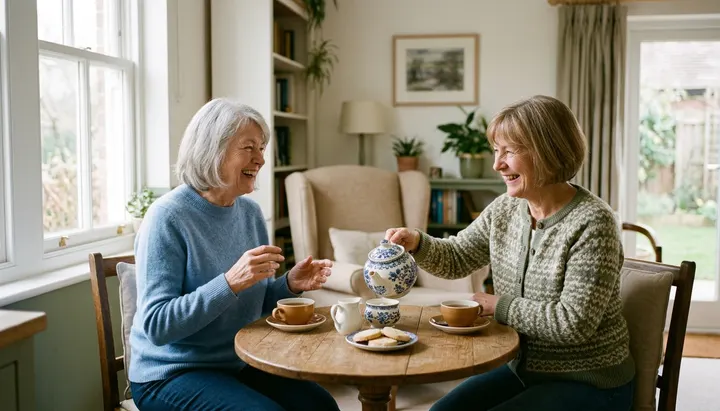
And then invite someone round: a friend, a neighbour, a family member, just for tea. Making a cup of tea for a guest in your own kitchen is a quiet way of telling yourself: this is my home now.
Missing the old house
Let's be honest about something. Even when a move is the right decision, many people miss the old house. Sometimes a lot. You might miss the garden, the space, the sound of the stairs, or simply the life that happened there. Those feelings don't mean you made a mistake. They mean the old house mattered. Both things can be true at once.
Imagine a woman (we'll call her Ruth, but she's made up) who has moved from a four-bedroom family house to a two-room flat. In week one, she's tired and a little low. In week two, she finds a café and a bench by the river. By week four, her pictures are up, and a neighbour has been round for tea.
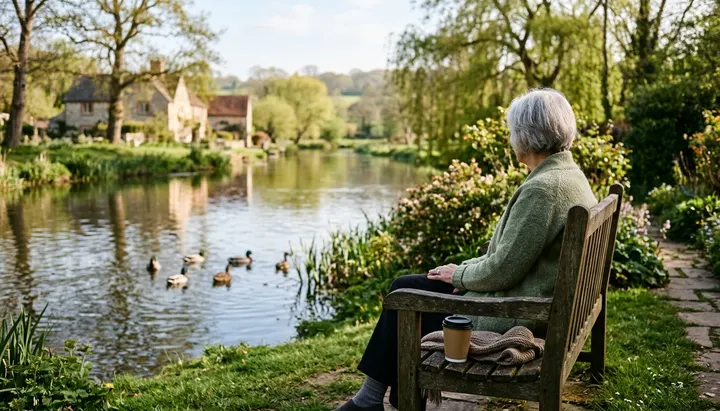
She still misses her garden. So she puts two pots of herbs on her balcony and hangs a photo of the old house in the hall. Settling in doesn't mean forgetting. It means carrying the best of the old life into the new one.
For adult children who want to help
A word for adult children. Your help in the first month can make an enormous difference, but the kind of help matters.
Help with the heavy jobs: carrying, hanging pictures, setting up the television and the phone. But let your parent decide where things go. It's their home, and making those choices is part of how it becomes theirs.
Small, thoughtful gestures often mean the most. Bring a home-cooked meal on the first weekend. Print and frame a photo of the old house. Or simply go with your parent on one of those first walks to the shop, and let them show you the way.

Call or visit a little more often than usual in the first month, and keep it light. "How's the new place?" is a good question. "Have you unpacked yet?" usually isn't.
The day-thirty check-in
On day thirty, sit down with a cup of tea and look back.
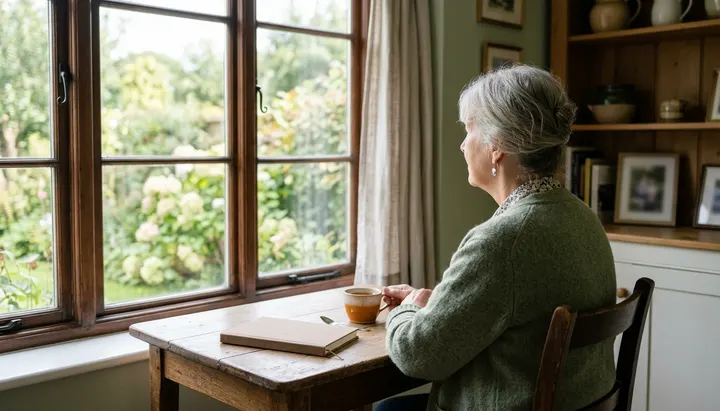
Write the answers down, and pick one thing to do next. Settling in doesn't finish on day thirty. But by then you'll have a working home, a few routines, and a neighbourhood that's starting to know you.
Your next step this week
A smaller home can hold a full life. It just takes a little time for the walls to learn your habits, and for you to learn theirs.

If you're still at the very beginning, with a full house and a move on the horizon, start with the five rooms to empty before you sell the house.
If you've already moved, what helped most in the first few weeks? Share it in the comments under the video on YouTube. It might help someone who's just starting.